
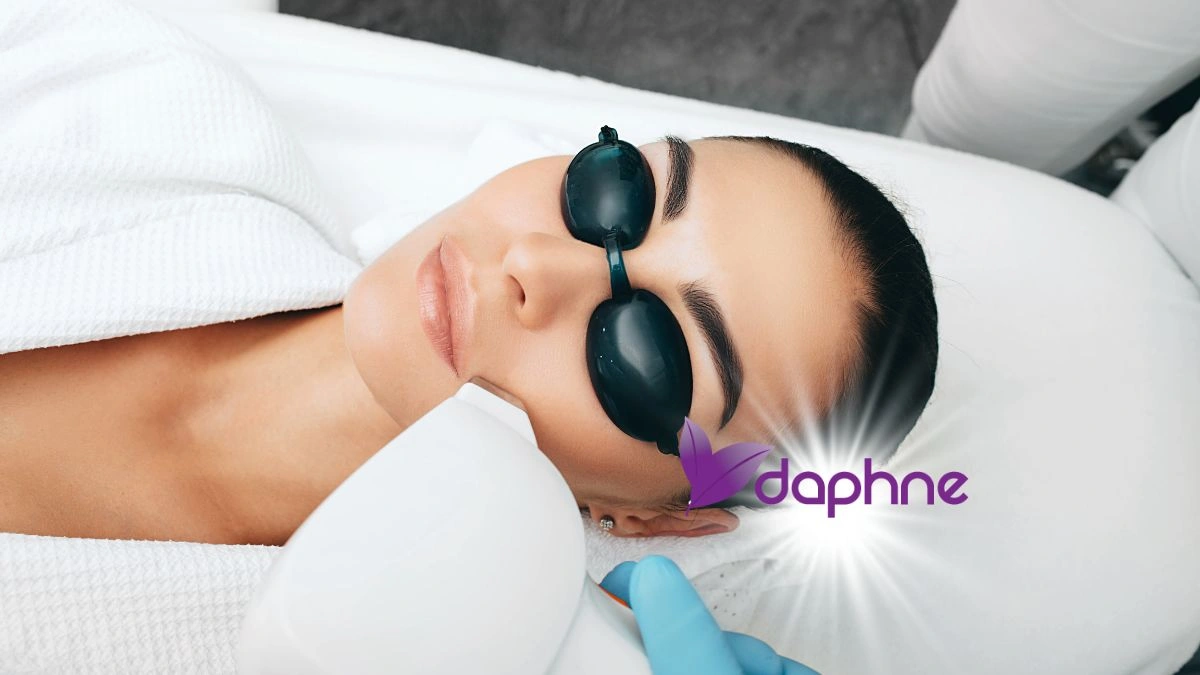
Facial laser hair removal aims to achieve a significant and long-term reduction in unwanted hair on areas such as the upper lip, chin, cheeks, forehead and sideburns. Because facial hair can be finer and more sensitive to hormonal changes than hair on other parts of the body, choosing the correct laser system and appropriate energy settings is especially important.
For facial treatments, we prefer Diode or Nd:YAG laser systems. We determine which system to use according to skin tone, hair color, hair thickness and the structure of the hair in the treatment area. Particularly with very fine facial hair, an unsuitable laser system or inappropriate energy settings may lead to unwanted stimulation of hair growth. For this reason, we assess the face differently from other body areas.
A facial laser hair removal session usually takes approximately 10–20 minutes, depending on the size of the treatment area. Because facial hair is more influenced by hormonal factors, many people may require approximately 8–10 sessions. Sessions are generally planned according to the hair growth cycle at intervals of 4–6 weeks.
Facial skin is more sensitive to sun exposure and active skincare products. Effective sun protection is therefore important before and after treatment. During the first 24 hours, irritating products such as retinol, acids and exfoliants, as well as heavy makeup, sauna, steam baths and excessive heat, should be avoided.
Is It a Good Idea to Get Laser Hair Removal on the Face?
Facial laser hair removal can be an effective and safe treatment when a laser system suitable for the individual’s hair and skin characteristics is selected and appropriate energy settings are used. However, because the facial area is more sensitive to hormonal influences and skin irritation than many other body areas, treatment should be planned carefully.
Risk of paradoxical hair growth
Treating very fine, light-colored or vellus-like hair with an unsuitable laser system or inappropriate energy settings may cause the hair to become thicker or make surrounding fine hairs more noticeable in some people. For this reason, not every facial hair should automatically be considered suitable for laser treatment.
Hormonal factors
Pronounced hair growth, particularly on the chin, neck and under-chin area, may be associated with hormonal factors. In such cases, rather than planning laser treatment alone, it may also be appropriate to evaluate possible hormonal causes when necessary.
Skin sensitivity and pigmentation risk
Facial skin is more exposed to sunlight and irritation. Inappropriate energy settings can increase the risk of redness, burns or pigmentation changes. Skin tone should therefore be assessed carefully, and effective sun protection should be maintained.
Choosing the right laser
For facial treatments, we prefer Diode or Nd:YAG laser systems. We decide which system is more suitable after evaluating skin tone, hair color and hair thickness. For very fine or light-colored hair, other hair-removal methods may be more appropriate than laser treatment.
In short: Facial laser hair removal can be an appropriate method for the right person with the right laser system. However, not every facial hair is suitable for laser treatment. Particularly with fine and light-colored hair, the hair and skin characteristics should be carefully assessed before treatment to avoid unnecessary stimulation of hair growth.
Does Laser Hair Removal Completely Remove Facial Hair?
Facial laser hair removal does not guarantee that facial hair will disappear completely and permanently for life. With suitable hair and skin characteristics, however, it can provide a significant and long-term reduction in hair growth and make the remaining hairs finer. Because the facial area is more sensitive to hormonal influences, it can be more resistant than many other body areas.
Hair color and thickness
Dark and coarse facial hair absorbs laser energy more effectively and generally responds more noticeably to treatment. With very fine, light-colored or vellus-like hair, the effect of laser treatment may be more limited.
Fine facial hair requires caution
Treating very fine facial hairs with an unsuitable laser system or inappropriate energy settings may cause the hairs to become more noticeable or thicker in some people. This phenomenon is known as paradoxical hypertrichosis.
Hormonal factors
Hair growth particularly on the chin, under the chin and neck may be influenced by hormonal factors. If the underlying hormonal influences continue, new hairs may develop and the required number of sessions may increase.
Number of sessions and maintenance treatments
For the facial area, many people may require approximately 8–10 sessions. However, depending on the individual response and hormonal situation, additional sessions or maintenance treatments may be needed later.
Our laser preference for the face
For facial treatments, we prefer Diode or Nd:YAG laser systems. We decide which system is appropriate by evaluating skin tone, hair color, hair thickness and the structure of the hair in the treatment area.
Not every facial hair is suitable for laser
Very light-colored or very fine hairs may not respond sufficiently to laser treatment. In these situations, considering other hair-removal methods may be more appropriate.
In short: Facial hair may not disappear completely with laser treatment, but in the right person and with the right laser system it can be significantly reduced for the long term. Particularly with fine facial hair, careful assessment of hair and skin characteristics before treatment is important to avoid unnecessary stimulation of hair growth.
Facial Laser Hair Removal Prices in Munich
The selected facial area and package type determine the total price. The name of the laser system does not change the price of the treatment area.
The Euro amounts below are the current list prices for our Munich center. Three sessions provide approximately a 10 percent price advantage. Six sessions provide approximately a 20 percent price advantage.
Women’s Facial Laser Hair Removal Prices
| Area | 1 Session | 3 Sessions | 6 Sessions |
|---|---|---|---|
| Upper Lip | €35 | €95 | €168 |
| Chin | €45 | €122 | €216 |
| Cheeks | €45 | €122 | €216 |
| Front Neck | €59 | €159 | €283 |
| Full Face | €99 | €267 | €475 |
Men’s Facial Laser Hair Removal Prices
| Area | 1 Session | 3 Sessions | 6 Sessions |
|---|---|---|---|
| Upper Lip | €42 | €113 | €202 |
| Chin | €54 | €146 | €259 |
| Cheeks | €54 | €146 | €259 |
| Front Neck | €71 | €192 | €341 |
| Full Face | €119 | €321 | €571 |
Facial Laser Hair Removal in Other Languages
You can read the same information about facial laser hair removal in our other language versions.