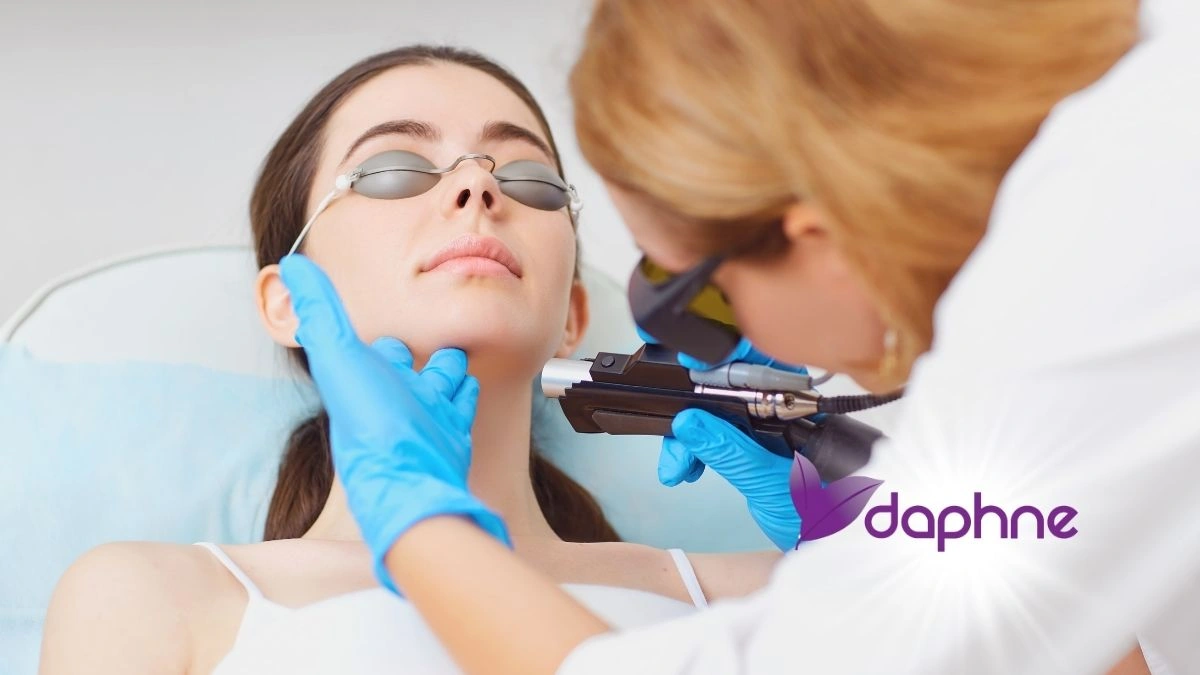
Laser Hair Removal
Nd Yag Laser Hair Removal
Munich · 1064 nm · Nd:YAG Laser Hair Removal Nd:YAG laser hair…
Devamını oku
Enter a search term and press Enter. Results will open on the search page.
Tag
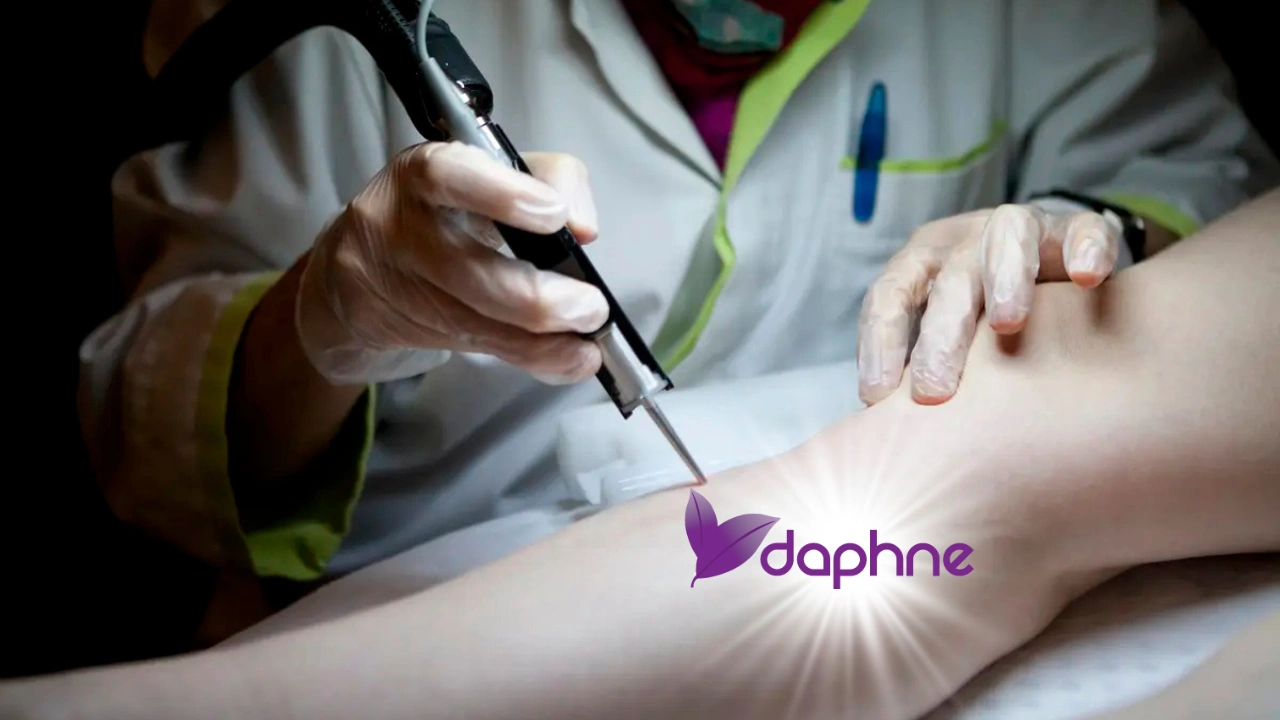
What is the healthiest hair removal method? No single method suits every person or treatment area. Your skin type, hair structure and sensitivity all affect the answer. Therefore, the safest choice always requires an individual approach.
Careful shaving often offers a low-risk temporary solution. However, professional laser treatment provides longer-term hair reduction. Correct technology selection remains essential for safe treatment.
A guarded electric trimmer usually causes minimal skin disruption. It cuts hair without pulling it from the follicle. However, it leaves some short hair above the skin.
Shaving can also provide a simple temporary solution. Meanwhile, laser treatment may reduce repeated shaving and waxing. Therefore, laser can offer a skin-friendly long-term option.
Nevertheless, laser does not suit every hair type. It works best when the hair contains sufficient pigment. White, grey, blonde and red hairs usually respond poorly.
Shaving removes hair only from the skin’s surface. Therefore, it does not directly damage the hair follicle. It also avoids heat and chemical ingredients.
However, repeated shaving can irritate sensitive skin. Dull blades can also cause cuts and razor bumps. Moreover, shaving against hair growth can encourage ingrown hairs.
These steps can reduce shaving-related irritation:
Waxing and epilators remove hair from the follicle. Consequently, their results last longer than shaving. However, both methods pull and stress the surrounding skin.
They can cause redness, inflammation and ingrown hairs. Waxing can also remove superficial skin cells. This risk increases on sensitive or recently treated skin.
Avoid waxing sunburned, damaged or highly irritated skin. Moreover, some retinoid products can increase skin sensitivity. Ask a qualified professional if you use active skincare products.
Depilatory creams dissolve visible hair with chemical ingredients. They provide quick results without pulling the follicle. However, these ingredients can irritate or burn the skin.
Always perform a patch test before using a new product. Additionally, follow the recommended application time carefully. Never apply the product to broken or inflamed skin.
Stop immediately if you notice strong burning or pain. Then rinse the area thoroughly with cool water.
Professional laser treatment can provide long-term hair reduction. It targets pigment within suitable hair structures. As a result, treated follicles may produce less hair.
Laser also reduces the need for frequent shaving or waxing. Therefore, some people experience fewer ingrown hairs over time. However, individual results and skin reactions can vary.
Correct wavelength and energy settings protect the surrounding skin. Skin cooling can also improve comfort during treatment. Most importantly, an experienced professional must plan every session.
Inexperienced treatment can cause burns, scars or pigment changes. Recent tanning can also increase the risk of complications. Therefore, honest assessment remains more important than device popularity.
No laser system provides the safest option for everyone. Each wavelength interacts differently with skin pigment and hair. Therefore, professionals must choose technology individually.
Treatment settings also influence safety and effectiveness. Moreover, facial hair requires especially careful candidate selection. Fine facial hair may respond unpredictably to laser energy.
Sensitive skin requires gentle technique and careful product selection. An electric trimmer may offer the simplest temporary solution. Meanwhile, a suitable laser may provide longer-term reduction.
However, active irritation requires treatment postponement. Open wounds, infections and sunburn also need time to heal. A professional should examine uncertain skin changes beforehand.
Facial sensitivity requires additional caution. Read our facial laser hair removal guide for area-specific information.
Electrolysis treats individual follicles with a very fine probe. Therefore, it can also target hairs without much pigment. However, large areas require considerable time.
Treatment can cause temporary redness and discomfort. Poor technique can also damage the skin. Consequently, practitioner training and hygiene remain essential.
Sudden or excessive hair growth may have a hormonal cause. In that situation, hair removal alone may not address the reason. A medical assessment can identify possible underlying factors.
You should also seek advice for persistent inflammation. Recurrent folliculitis or severe ingrown hairs need appropriate evaluation. Additionally, discuss your medicines before professional laser treatment.
The American Academy of Dermatology compares common hair removal methods. It also explains how each option can affect the skin.
Read the American Academy of Dermatology’s hair removal guidance.
The Mayo Clinic also describes laser treatment risks and precautions.
Review the Mayo Clinic’s laser hair removal information.
Choose trimming or careful shaving for low-commitment temporary removal. Consider professional laser for suitable pigmented hair and long-term reduction. Electrolysis may suit individual light hairs or small areas.
Ultimately, the healthiest method protects your skin while meeting your goal. It should also match your hair and treatment area. A personal assessment provides the safest and most realistic plan.
Munich · 1064 nm · Nd:YAG Laser Hair Removal Nd:YAG laser hair…
Devamını oku
Laser hair removal guide · Alexandrite · Diode · Nd:YAG Laser hair…
Devamını oku
Munich · 808–810 nm · Diode Laser Hair Removal Diode laser hair…
Devamını oku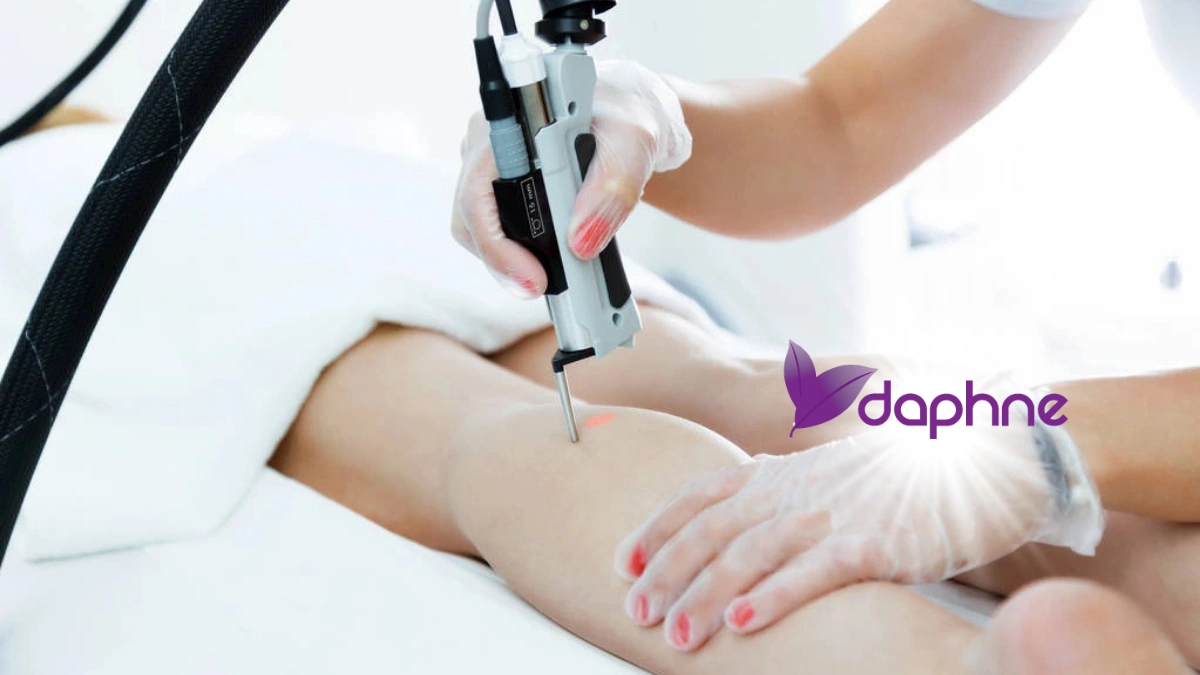
Munich · 755 nm · Alexandrite Laser Hair Removal Alexandrite laser hair…
Devamını okuRequired for security, navigation and saving your choice. Always active.
Enables additional features, fonts and user-friendly services.
Helps us understand how the website is used with anonymised or pseudonymised data.
Measures campaigns and may associate visits across websites.
Loads embedded maps and videos from third-party providers.