
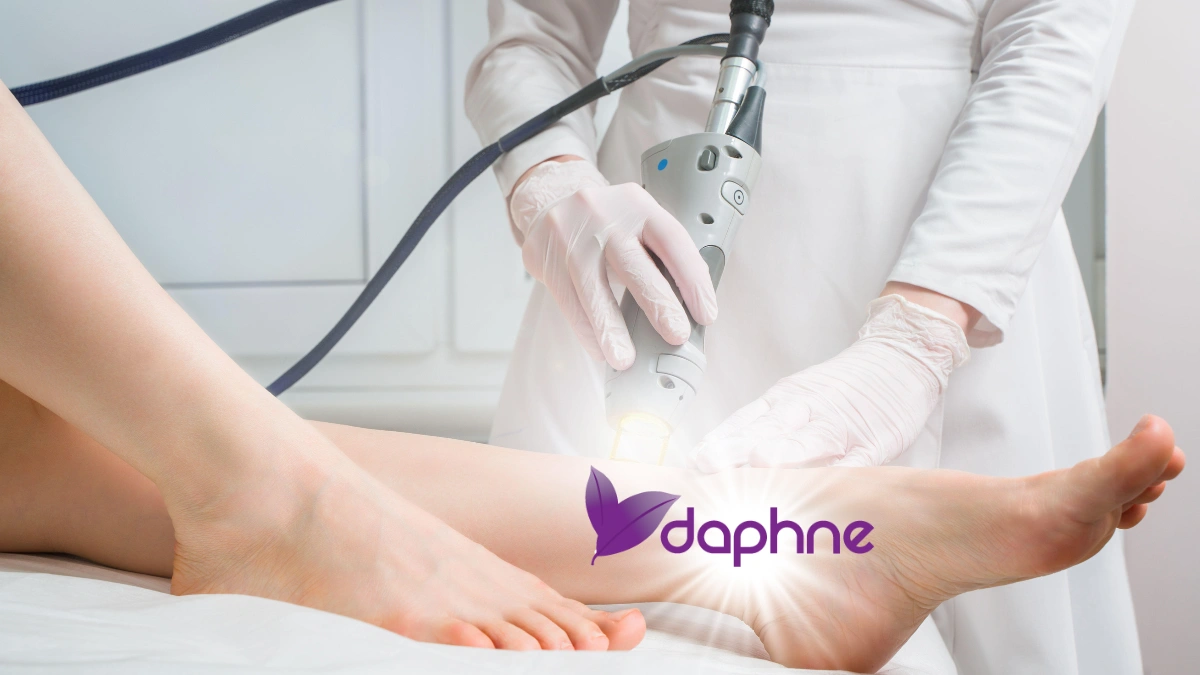
Our specialized laser treatment reduces hair growth for a long time. However, we cannot honestly guarantee that every hair disappears forever.
At Daphne Laser, we utilize Alexandrite, Diode and Nd:YAG laser technologies. Specifically, our team matches the laser to your unique skin tone. Additionally, we evaluate your hair thickness and target body areas.
We strictly avoid using Alexandrite laser on your face. Instead, we select Diode or Nd:YAG lasers for facial areas. Consequently, this careful planning ensures safe and highly realistic results.
Can Laser Treatment Remove Hair Permanently?
Our laser treatments provide strong, long-lasting hair reduction. Specifically, you will notice decreased hair density and slower growth. However, we do not promise zero hair forever.
Therefore, the most accurate term remains long-term hair reduction. Each customized session successfully weakens active follicles. Consequently, some follicles stay inactive for very long periods. Moreover, hormonal changes can stimulate new growth later.
What Does “Permanent” Mean in Laser Hair Removal?
Many clients use the term permanent for long-lasting reduction. In practice, this ensures less visible hair over time. Conversely, it does not mean every follicle disappears forever.
Permanent Removal vs Long-Term Reduction
Permanent removal suggests total and final hair clearance. Instead, laser treatment works more realistically as progressive reduction. Our process lowers hair density and regrowth speed.
Why the Word “Permanent” Can Be Misleading
Biological factors constantly change your hair growth. Specifically, hormones, age and medications influence your hair follicles. Therefore, we focus on honest planning over marketing slogans.
Realistic Patient Expectations
Please expect gradual improvements rather than instant clearance. Regular session intervals ensure the best chance for reduction. Additionally, you might need occasional maintenance sessions later.
How Laser Hair Removal Reduces Hair Growth
Our system targets pigment inside suitable hair structures. Specifically, the hair absorbs energy and converts it into heat. Consequently, this heat weakens your active hair follicles.
We achieve great results on visible, pigmented hair. Typically, dark and thick hair creates a stronger target. Conversely, very light or grey hair responds less predictably.
How Laser Energy Targets Hair Follicles
Laser devices deliver controlled light energy into your skin. Specifically, the target hair absorbs that light energy. Consequently, targeted heat reaches the deep follicle area.
Melanin, Heat and Follicle Weakening
Melanin pigment gives hair its dark color. Specifically, our lasers use melanin as the target. Therefore, dark hair structures respond much faster.
Why Hair Becomes Finer Over Time
Repeated sessions successfully reduce your hair follicle strength. Additionally, new hair grows much thinner after treatment. Your hair growth also slows down noticeably.
Density, Thickness and Regrowth Speed
Outstanding results usually produce three distinct changes. Specifically, hair density and thickness decrease. Consequently, you will experience much slower regrowth.
Why Laser Hair Removal Needs Multiple Sessions
One single session cannot target all hairs fully. This is because hair grows in distinct cycles. Specifically, each follicle enters active growth at different times.
Our lasers target hair best during the active growth phase. Therefore, we schedule sessions at regular, suitable intervals. This approach successfully targets new groups of active hair.
Hair Growth Cycles Matter
Some hairs grow actively during your session. Conversely, other hairs rest quietly under your skin. Consequently, these resting hairs require later sessions.
Active Growth Phase
The active phase provides the strongest target for our lasers. During this phase, hair connects tightly with the follicle. This tight connection improves your reduction outcomes.
Why One Session Is Not Enough
One session starts visible hair shedding. However, it cannot capture every growth phase. Instead, a complete plan ensures predictable hair reduction.
Different Hairs, Different Timing
Legs, face and back areas behave differently. Therefore, we alter session intervals based on your response. Our specialists customize timing for each area.
Does Hair Grow Back After Laser Treatment?
Some hair can grow back after laser sessions. Typically, regrowth appears much finer and scattered. Conversely, hormone-sensitive areas may experience stronger regrowth.
This does not indicate a treatment failure. Rather, your follicles require more treatment sessions. Additionally, occasional maintenance sessions keep results stable.
Why Some Hair May Return
New hair follicles can activate later. Specifically, hormonal changes can trigger fresh growth. Genetics and target areas also influence your outcomes.
Hormonal Changes and New Follicle Activity
The face, neck and chest react hormonally. Therefore, these areas require closer follow-up. We adjust your treatment plan if regrowth changes.
What Regrowth Usually Looks Like
Regrowth appears significantly weaker than before. Indeed, the hair looks thinner and less dense. Consequently, you will shave much less frequently.
Finer, Lighter or Scattered Hair
Scattered hairs can appear between scheduled sessions. We can target these hairs with maintenance sessions. However, we match timing strictly to each area.
What Results Can You Expect After Laser Hair Removal?
Our results develop gradually. Specifically, many clients notice visible shedding after early sessions. Consequently, hair grows slower and thinner over time.
We ensure results through correct settings and regular sessions. Additionally, your skin tone and target areas affect success. Therefore, our team plans each course individually.
Early Shedding After Sessions
Treated hair does not vanish instantly. Instead, it sheds over the next few weeks. This shedding can resemble slow hair growth.
First Visible Changes
Your skin feels smoother after shedding. Indeed, shaving intervals become much longer. Moreover, hair density starts to decrease.
Long-Term Reduction Over Time
Long-term hair reduction builds with repeated sessions. Each session targets another active hair group. Consequently, this creates a stable decrease.
Gradual Improvement With Regular Sessions
Regular appointments support better growth cycle timing. Conversely, missed sessions can extend the course. Consistency significantly improves predictability.
Which Hair Types Respond Best?
We achieve great results on dark, coarse hair. This hair contains more melanin pigment. Specifically, our lasers target it more effectively.
Conversely, grey, blonde or red hair lacks enough pigment. Therefore, these hair types respond poorly. We explain these limits before starting treatment.
Dark and Coarse Hair
Dark coarse hair provides an ideal target. Specifically, it absorbs laser energy efficiently. Legs and underarms respond exceptionally well. More melanin improves follicle heating. This ensures highly successful shedding.
Fine, Blonde, Grey or Red Hair
Light hair structures respond less strongly. Specifically, fine hair provides a weak target. Light hair cannot absorb enough energy. Therefore, we avoid treating unsuitable fine hair. Honest candidate selection prevents disappointment.
Which Skin Types Affect Laser Results?
Your skin tone determines laser settings. Specifically, light skin with dark hair creates strong contrast. Conversely, darker skin types require more pigment-safe planning.
Tanned skin also requires extreme caution. Indeed, active tanning increases epidermal pigment. This increases the risk of side effects.
Light Skin and Dark Hair Contrast
This profile often suits the Alexandrite laser. Specifically, the hair absorbs energy more than your skin. However, we still check recent sun exposure beforehand.
Alexandrite Laser Candidates
Alexandrite laser works well in suitable candidates. We select it for body areas with dark hair. Conversely, we strictly avoid Alexandrite on your face.
Darker Skin Types
Naturally darker skin contains more melanin. Therefore, we select our devices carefully. Our Nd:YAG laser plays an important role here.
Nd:YAG Laser Planning
Nd:YAG penetrates deeper and targets hair safely. Specifically, it supports pigment-safe darker skin planning. However, precise settings remain essential.
Which Laser Type Gives the Best Long-Term Reduction?
No single laser works best for everyone. At Daphne Laser, our specialists utilize three technologies. Specifically, we select Alexandrite, Diode or Nd:YAG.
The same body zone requires different devices. Consequently, hair thickness and skin color guide our choice. Additionally, we evaluate recent sun exposure beforehand.
| Laser type | Often considered for | Daphne planning note |
|---|---|---|
| Alexandrite laser | Lighter skin with dark, visible body hair | We choose this for body areas. |
| Diode laser | Face, arms, back and flexible body-area planning | We select Diode for facial comfort. |
| Nd:YAG laser | Darker skin types and pigment-sensitive planning | We use Nd:YAG for dark skin. |
Alexandrite Laser
Alexandrite laser targets melanin pigment strongly. Indeed, this suits light skin and dark body hair. However, we strictly avoid facial Alexandrite treatments.
Light Skin and Dark Hair
Melanin contrast supports strong progressive reduction. Specifically, we still check tanning and sensitivity. Safety always guides our final technology selection.
Diode Laser
Diode laser supports flexible session planning. We select this for face, arms and back areas. Additionally, it suits various body zones.
Flexible Body-Area Planning
Many areas feature mixed hair thickness. Specifically, Diode laser helps us adjust settings. We focus closely on comfort and cooling.
Nd:YAG Laser
Nd:YAG laser suits darker, pigment-sensitive skin types. Our team uses this for selected facial zones. The final plan depends directly on hair thickness.
Darker Skin and Pigment-Sensitive Skin
Pigment safety remains highly important. Specifically, Nd:YAG reduces epidermal burn risks. Therefore, expert operator experience matters greatly.
Can Laser Treatment Permanently Remove Facial Hair?
Facial hair requires careful evaluation. This is because the face contains fine, hormone-sensitive hair. Therefore, our technology selection remains conservative.
At Daphne Laser, we strictly avoid Alexandrite on your face. Instead, we select Diode or Nd:YAG lasers. We avoid treating areas if hair is too fine.
Why Facial Hair Needs More Caution
Hormonal triggers can change facial hair patterns. Specifically, fine hair does not absorb enough laser energy. Poor candidate selection on cheeks leads to disappointing results.
Hormonal Influence
Hormones trigger new facial growth over time. Indeed, chin and upper lip areas require follow-up. Maintenance sessions remain useful later.
Fine Facial Hair and Paradoxical Growth Risk
Fine facial hair requires extra caution. Specifically, incorrect settings cause unwanted stimulation. This risk explains why we avoid Alexandrite on faces.
Careful Candidate Selection
First, we check hair thickness beforehand. Additionally, our specialists assess skin tones. If risks remain high, we do not treat.
Can Laser Treatment Permanently Remove Body Hair?
Body hair responds much faster than fine face hair. Specifically, legs and underarms grow dark, coarse hair. These hairs create highly successful laser targets.
Consequently, chest and back areas respond well. However, dense male hair requires more sessions. Additionally, hormonal influences alter your maintenance needs.
Legs, Underarms and Bikini Area
Bikini and underarm zones grow dark, thick hair. Indeed, clients see outstanding progressive reduction here. We select technologies strictly based on skin tone.
Often Better Response
Dark hair structures improve laser energy absorption. Therefore, our process ensures predictable progressive reduction. Regular session intervals remain essential.
Back, Chest and Abdomen
Chest and back areas feature dense growth. Typically, male hormones influence your overall results. Our specialists use Diode or Nd:YAG lasers for back treatments.
Dense and Hormone-Influenced Hair
Dense body hair requires longer session planning. We clarify your grooming goals before starting treatment. This ensures highly natural transition boundaries.
How Many Sessions Are Needed for Long-Term Hair Reduction?
Leg laser hair removal requires a series of sessions. Usually, we plan six to eight sessions for you. However, your exact timeline depends on hair density.
Skin tone, hair color and hormones affect results. Consequently, our team updates your plan after each response.
Typical Session Range
Small areas respond faster to treatment. Conversely, dense zones require more session time. Therefore, facial areas require careful follow-up.
Why 6–8 Sessions Are Common
Multiple sessions match your growth cycles. Specifically, each session targets active hair structures. This approach improves progressive reduction results.
Why Some Areas Need More Sessions
Hormonal areas can trigger new growth over time. Indeed, dense male body hair persists longer. Conversely, fine hair responds poorly to treatment.
Hormones, Density and Area Size
Larger body areas require longer session planning. For instance, dense hair requires repeated coverage. Additionally, hormonal influences can extend your course.
Are Maintenance Sessions Necessary?
Maintenance sessions are not always necessary. However, they help control scattered regrowth. Specifically, our team targets new active follicles.
Regrowth depends entirely on your biology. Consequently, hormone-sensitive areas require closer observation. Other body areas stay stable for very long periods.
Why Maintenance May Be Needed
Some follicles can recover over time. Additionally, new follicles can activate. Hormonal changes trigger fresh growth.
Hormonal and Biological Factors
Age and medications influence hair growth. Indeed, polycystic ovary conditions alter your results. We suggest a medical review when needed.
How Often Maintenance Sessions Are Done
Maintenance timing varies between individuals. Specifically, some clients need occasional sessions. Conversely, others require regular follow-up.
Individual Follow-Up
We do not apply a single rule to everyone. Instead, our specialists check your regrowth patterns first. Then we plan your next session.
What Can Reduce Laser Hair Removal Success?
Several factors reduce your results. Specifically, irregular sessions miss active growth cycles. Additionally, recent tanning limits safe energy settings.
Waxing and plucking prevent successful reduction. Indeed, these methods remove the target hair root. Conversely, shaving keeps the follicle intact.
Irregular Sessions
Inconsistent appointments slow progress. Correct timing catches active hairs. Additionally, regularity improves predictability.
Tanning and Sun Exposure
Tanned skin contains more pigment. Specifically, tanning increases side effect risks. Consequently, our team postpones sunburned sessions.
Waxing or Plucking Between Sessions
Waxing removes the hair root. Plucking creates the same issue. Consequently, lasers lack a target.
Unsuitable Hair Type
Light hair responds poorly. Specifically, peach fuzz lacks melanin. We evaluate suitability beforehand.
Laser Hair Removal Prices and Treatment Planning
Our laser hair removal prices depend on treatment size. Specifically, small zones require shorter sessions. Additionally, larger body areas require longer session planning.
Packages ensure predictable treatment courses. Indeed, they support regular session timing. Exact pricing depends on your selected areas.
Why Prices Depend on Area Size
Underarms require less time than legs. Specifically, full body plans require longer sessions. Additionally, hair density affects total session time.
Small Areas vs Large Areas
Small zones include upper lips and underarms. Conversely, large areas cover legs or backs. Combined packages require individual calculation.
Why Packages May Be Useful
Our treatment requires repeated sessions. Specifically, packages support consistent timing. Consequently, they make budget planning much easier.
Session Planning and Cost Predictability
Structured plans reduce financial uncertainty. Our team selects technology first. Then we outline your session course.

Daphne Laser Approach to Long-Term Hair Reduction
At Daphne Laser, we use three distinct laser technologies. We do not select a device by name alone. Instead, our specialists match technology to your skin tone.
The same body zone requires different lasers. Specifically, skin tone and hair thickness guide our choice. Consequently, this clinical approach ensures safer planning.
Individual Skin and Hair Assessment
First, we evaluate your skin tone carefully. Additionally, we inspect your hair color and thickness. Sun exposure history changes the plan.
Skin Type, Hair Type and Area
Every body zone behaves differently. Indeed, the face, arms and back require extra caution. Legs and underarms respond differently.
Choosing the Right Laser Technology
We select Alexandrite for suitable body hair. Conversely, we use Diode and Nd:YAG for facial areas. Our specialists also select them for darker skin types.
Alexandrite, Diode and Nd:YAG Options
These three options provide outstanding clinical flexibility. Indeed, we avoid one-size-fits-all treatments. This supports safe, precise parameter selections.
Realistic Planning Instead of Overpromising
Our team explains what laser treatments achieve. Additionally, we outline realistic limitations clearly. This honesty creates correct expectations from the start.
Safety, Consistency and Maintenance
Safe settings remain our top priority. Additionally, regular session intervals determine success. Maintenance sessions prove useful after your main course.
Frequently Asked Questions About Permanent Laser Hair Removal
Can laser treatment remove hair permanently?
Laser treatments reduce hair growth for a long time. However, we cannot guarantee that every hair disappears forever. Therefore, the most accurate term remains long-term hair reduction.
Is laser hair removal really permanent?
Laser treatment creates lasting progressive reduction. Specifically, some fine hair can return later. Consequently, regrowth appears finer and less dense.
Does hair grow back after laser hair removal?
Yes, some hair can grow back over time. Typically, hormones and genetics affect your regrowth. Therefore, maintenance sessions help control fresh growth.
Why does hair grow back after laser treatment?
Not all hairs grow actively during your session. Specifically, some follicles recover or activate later. Additionally, hormonal changes trigger new growth.
How long do laser hair removal results last?
Results last a long time after a full course. Typically, the duration varies between individuals. Consequently, maintenance sessions extend smooth periods.
How many sessions are needed for permanent hair reduction?
Usually, you will need a series of sessions. Specifically, our specialists recommend six to eight sessions. However, dense or hormonal areas require more time.
Can one laser session remove hair permanently?
One single session cannot remove hair permanently. Specifically, it only starts early shedding. Therefore, multiple sessions target different growth phases.
Which laser is best for permanent hair reduction?
The best technology depends on your profile. Specifically, we select Alexandrite, Diode or Nd:YAG. Our choice depends on skin color and hair thickness.
Is Alexandrite laser hair removal permanent?
Alexandrite laser provides strong long-term reduction. Specifically, it suits light skin with dark hair. Conversely, we strictly avoid Alexandrite on faces.
Is Diode laser hair removal permanent?
Diode laser supports long-term hair reduction. Specifically, we select this for face and back areas. Additionally, it suits selected body zones.
Is Nd:YAG laser hair removal permanent?
Nd:YAG laser reduces hair growth long term. Specifically, this technology helps dark skin safely. Consequently, our team prioritizes safe, correct settings.
Can facial hair be removed permanently with laser?
Facial hair can reduce with laser treatments. However, facial areas require highly conservative planning. We strictly select Diode and Nd:YAG for faces.
Can body hair be removed permanently with laser?
Body hair achieves strong long-term reduction. Specifically, underarms and legs respond well. However, dense areas require more treatment sessions.
Are maintenance sessions always necessary?
Maintenance sessions are not always necessary. However, they help control scattered regrowth. Consequently, hormonal areas require them more often.
What is the difference between permanent hair removal and permanent hair reduction?
Permanent removal suggests total and final hair clearance. Conversely, permanent reduction means a lasting decrease in growth. Laser treatments match the reduction concept better.