
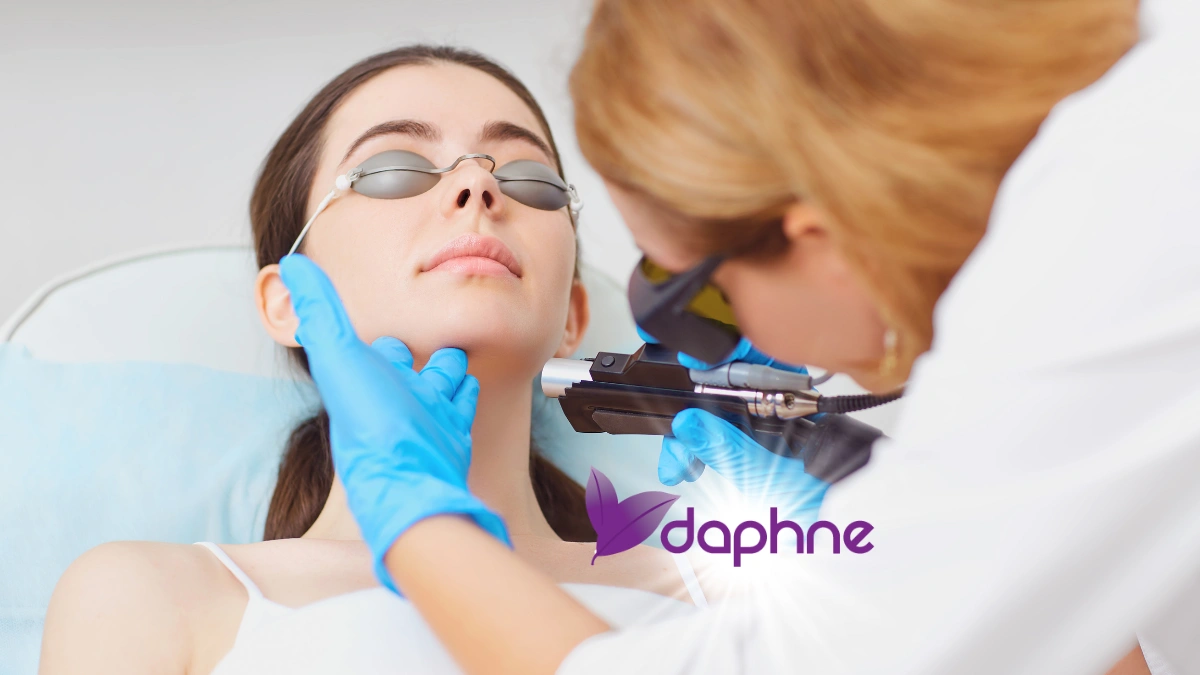
Is Laser Hair Removal Effective on Facial Hair?
Laser hair removal can be effective on facial hair when the hair is dark, visible and thick enough. Yet the face needs careful planning. Fine facial hair can respond poorly.
At Daphne Laser, we do not use Alexandrite laser on the face. For facial areas, we evaluate Diode laser and Nd:YAG laser. We choose the laser by skin tone, hair color, hair thickness and treatment area.
Is Laser Hair Removal Effective on Facial Hair?
Facial laser hair removal can work well. However, the hair must create a clear laser target. Dark, visible and coarse facial hair usually responds better.
Fine, blonde, grey, red or fluffy hair responds less predictably. This hair contains less pigment. Therefore, laser energy may not reach the follicle strongly enough.
When Facial Laser Hair Removal Works Well
It works better when facial hair looks dark and strong. Upper lip and chin hairs can respond well. Yet the skin type still matters.
Dark, Visible and Coarse Facial Hair
Dark facial hair contains more melanin. Melanin absorbs laser energy. This creates a stronger treatment target.
When Facial Laser Hair Removal Works Poorly
Fine facial hair gives the laser a weak target. Light hair also limits laser response. In these cases, we avoid unrealistic promises.
Fine, Light or Fluffy Hair
Fluffy hair can react unpredictably. Some facial zones need extra caution. This is especially important on cheeks and neck.
How Does Laser Hair Removal Work on the Face?
Laser hair removal targets pigment inside the hair. The laser converts light into heat. This heat weakens suitable hair follicles over time.
Facial hair does not grow in one single phase. For this reason, one session cannot target every follicle. A planned session series gives better results.
Laser Energy Targets Hair Pigment
Darker hair absorbs more laser energy. Thicker hair also gives a clearer target. This makes candidate selection very important.
Melanin and Heat
Melanin acts as the laser target. Heat travels through the hair shaft. Then it affects the active follicle area.
Why Hair Follicles Need Repeated Sessions
Facial follicles enter growth phases at different times. Laser works best during active growth. Therefore, repeated sessions improve coverage.
Hair Growth Cycles
Each session targets a new group of hairs. This explains the need for follow-up visits. Consistency supports long-term reduction.
Which Facial Hair Types Respond Best?
Facial hair response depends on color, thickness and density. Dark and coarse hair usually responds better. Thin and light hair often responds poorly.
Better Facial Hair Targets
- Dark upper lip hair
- Dark chin hair
- Coarse facial hair
- Visible beard-line hair
- Selected neck hair in men
Weaker Facial Hair Targets
- Blonde facial hair
- Grey or white facial hair
- Red facial hair
- Fine cheek fluff
- Very soft vellus hair
Dark and Coarse Facial Hair
Dark coarse hair gives a clear target. It can respond with visible thinning. Still, hormonal influence can affect the plan.
Better Laser Target
A strong target improves energy absorption. It also helps reduce hair density. This does not guarantee complete removal forever.
Blonde, Grey, Red or White Hair
These colors contain less useful pigment. Laser may not reduce them well. We explain this before treatment.
Limited Laser Response
Poor target hair can waste sessions. It may also create false expectations. Honest assessment protects your result.
Is Laser Hair Removal Good for Fine Facial Hair?
Fine facial hair needs caution. It often contains little pigment. Therefore, the laser may not create enough follicle heat.
Some face and neck areas can react unpredictably. In selected cases, laser may stimulate nearby fine hair. We avoid treating risky fine hair zones.
Why Fine Hair Is Difficult
Fine hair has a small diameter. It also carries less melanin. This combination makes response weaker.
Weak Melanin Target
Weak targets limit laser energy absorption. This may reduce treatment value. It can also increase dissatisfaction.
Why Fine Hair May Need Caution
We check hair type before every facial plan. If hair looks too fine, we may avoid treatment. Safety and realism come first.
Paradoxical Hair Growth Risk
The face and neck need special care. Some people can develop increased fine hair. We plan treatment to reduce this risk.
Can Laser Hair Removal Treat Upper Lip Hair?
Upper lip laser hair removal can work well. The hair must be dark enough. The skin also needs sun protection.
This area can develop pigmentation easily. Therefore, we avoid aggressive planning. We also review recent tanning before treatment.
Upper Lip Laser Hair Removal
Upper lip hair often responds when it looks visible. Darker hair creates a better target. Fine upper lip fuzz may not respond well.
Dark Upper Lip Hair
We assess color and thickness first. Then we choose the laser type. Diode or Nd:YAG may suit selected cases.
Why Sun Protection Matters
The upper lip receives frequent sun exposure. Sun exposure can increase pigmentation risk. Daily SPF supports safer treatment.
Pigmentation Risk
We avoid treatment on sunburned skin. We also postpone treatment after recent tanning. This helps protect skin tone.
Can Laser Hair Removal Treat Chin Hair?
Chin hair can respond well when it is dark and coarse. Many people choose laser for chin hair reduction. Yet hormonal influence often affects this area.
New chin hairs may appear over time. This can happen despite good laser response. Maintenance may become useful later.
Chin Hair and Hormonal Influence
Chin hair often reacts to hormonal changes. PCOS can also increase facial hair. We recommend medical evaluation when needed.
PCOS and Hormone-Sensitive Hair
Hormonal hair may need more sessions. It can also need longer follow-up. The plan must stay realistic.
Why Chin Hair May Need More Sessions
Dense chin hairs may reduce gradually. New hairs can still activate later. This explains maintenance needs.
New Hair Activation
Laser treats existing target hairs. It cannot stop every future hormonal change. Therefore, results vary by person.
Can Laser Hair Removal Treat Cheeks and Sideburns?
Cheek and sideburn areas need careful selection. These zones often include fine hair. We treat only suitable target hair.
Natural borders matter on the face. A sharp or artificial edge can look unnatural. Therefore, we plan transitions carefully.
Cheek Hair Needs Careful Selection
Cheek hair can be fine and soft. This makes response less predictable. We avoid treating weak targets.
Fine Hair Risk
Fine cheek fuzz may not improve. In selected cases, it may worsen. Careful assessment prevents poor outcomes.
Sideburn Area Planning
Sideburn reduction requires design planning. We preserve natural facial balance. This matters for both women and men.
Natural Borders
Natural borders create softer results. They also avoid harsh facial lines. We discuss the preferred look first.
Can Laser Hair Removal Treat Full Face Hair?
Full face laser hair removal is not for everyone. Each facial area needs separate assessment. Upper lip, chin and cheeks can differ greatly.
We avoid a one-size-fits-all face plan. Instead, we check each zone. Then we decide whether treatment makes sense.
Full Face Laser Hair Removal Is Not for Everyone
Full-face requests often include fine hair. Fine hair may not suit laser. Therefore, full-face plans need caution.
Hair Thickness Check
We check hair thickness under good light. We also review hair color. These details guide the treatment decision.
Why Area-by-Area Assessment Matters
Chin hair may be coarse. Cheek hair may be fine. Upper lip hair may sit between both.
Upper Lip, Chin, Cheeks and Neck
Every zone carries a different risk. We choose settings by zone. We may also skip unsuitable zones.
Which Laser Is Best for Facial Hair?
The best facial laser depends on the person. Skin tone, hair color and hair thickness matter. The treatment area also changes the decision.
At Daphne Laser, we use three laser technologies. However, we do not use Alexandrite laser on the face. For facial hair, we evaluate Diode and Nd:YAG.
| Laser type | Facial use at Daphne Laser | Planning note |
|---|---|---|
| Diode laser | May be evaluated for suitable facial hair. | Useful when hair and skin profile match. |
| Nd:YAG laser | May be evaluated for selected skin types. | Important for darker or pigment-sensitive skin. |
| Alexandrite laser | Not used on the face at Daphne Laser. | We avoid it due to facial fine-hair concerns. |
Diode Laser for Facial Hair
Diode laser can support flexible facial planning. We use it only when the target hair fits. Cooling and settings also matter.
Flexible Facial Planning
Diode planning depends on skin response. Hair thickness also guides settings. We adjust the plan by facial zone.
Nd:YAG Laser for Facial Hair
Nd:YAG can suit selected darker skin types. It also helps pigment-sensitive planning. Correct energy selection remains essential.
Darker or Pigment-Sensitive Skin
Pigment-sensitive skin needs a careful approach. We avoid unnecessary risk. Safety comes before speed.
Is Alexandrite Laser Suitable for Facial Hair?
Alexandrite laser can work well on selected body areas. However, we do not use it on the face. Facial hair often needs a more cautious protocol.
The face can include fine and hormone-sensitive hair. For this reason, we prefer Diode and Nd:YAG evaluation. We make the final decision after assessment.
Why Alexandrite Can Be Too Aggressive for Some Facial Hair
Alexandrite strongly targets melanin. That strength can help on body areas. On the face, fine-hair concerns need caution.
Fine Hair and Stimulation Concern
Fine facial hair may not behave predictably. It may also carry stimulation risk. This is why our face protocol excludes Alexandrite.
Daphne Laser Does Not Use Alexandrite on the Face
This is a clinical planning choice. It protects facial treatment quality. It also supports realistic expectations.
Safer Device Selection
We select lasers by skin and hair features. The same area can need different devices. Individual planning matters more than device name.
Is Facial Laser Hair Removal Safe?
Facial laser hair removal can be safe when planned well. The provider must assess skin tone and hair type. Eye protection is also essential.
We avoid treatment on irritated or sunburned skin. We also review medication use. This helps reduce unwanted skin reactions.
Safety Depends on Skin and Hair Assessment
Skin tone guides laser choice. Hair color guides expected response. Recent tanning can change the plan.
Skin Tone, Hair Color and Recent Tanning
Tanned skin contains more pigment. This can increase sensitivity. We may postpone treatment when needed.
Eye Protection Is Essential
Facial treatments happen near sensitive structures. Proper eye protection is mandatory. We never treat eyelids or eyebrows.
Facial Treatment Safety
Good safety starts with correct borders. It continues with suitable settings. Aftercare completes the plan.
How Many Sessions Are Needed for Facial Hair?
Facial hair usually needs multiple sessions. Many people need a planned course. The exact number depends on hair response.
Hormonal facial hair may need more follow-up. Chin and neck areas can behave differently. Maintenance sessions may help later.
Typical Facial Session Range
A facial plan often starts with several sessions. We review progress after each visit. Then we adjust intervals if needed.
Why Multiple Sessions Are Needed
Hair cycles limit one-session results. Different follicles become active later. Repeated sessions target more follicles.
Why Hormonal Hair May Need More Sessions
Hormones can activate new facial hair. This can extend the total plan. Medical evaluation may help in selected cases.
Maintenance and Follow-Up
Maintenance does not mean failure. It supports long-term control. The need varies by person.
Does Facial Hair Grow Back After Laser?
Some facial hair can grow back after laser. Regrowth often looks finer or slower. However, new hormonal hair can also appear.
Laser supports long-term hair reduction. It does not stop every future follicle change. This distinction matters on the face.
Why Regrowth Can Happen
Hormones can trigger new facial hair. Missed growth cycles can also affect results. Inconsistent sessions may reduce success.
Hormones and New Follicle Activity
New activity can appear months later. This happens especially on chin and neck. Follow-up helps control regrowth.
What Regrowth Usually Looks Like
Regrowth may become lighter or thinner. It may also grow more slowly. Dense hormonal areas can need maintenance.
Finer or Slower Hair
Slower hair growth can reduce grooming needs. It can also improve skin comfort. Results still vary by biology.
Before and After Facial Laser Hair Removal
Preparation improves facial laser safety. Aftercare helps protect skin tone. Both steps matter, especially on visible areas.
Before Treatment
- Do not wax or pluck facial hair.
- Avoid tanning before treatment.
- Tell us about medication use.
- Avoid irritating acids before treatment.
- Arrive with calm, clean skin.
Avoid Waxing, Plucking and Tanning
Waxing removes the laser target. Plucking creates the same problem. Tanning increases skin sensitivity.
After Treatment
- Use gentle skincare.
- Avoid harsh exfoliation.
- Use daily sun protection.
- Avoid heat if skin feels sensitive.
- Do not wax between sessions.
Sun Protection and Gentle Skincare
SPF helps protect facial skin. Gentle products reduce irritation. This supports a smoother recovery.
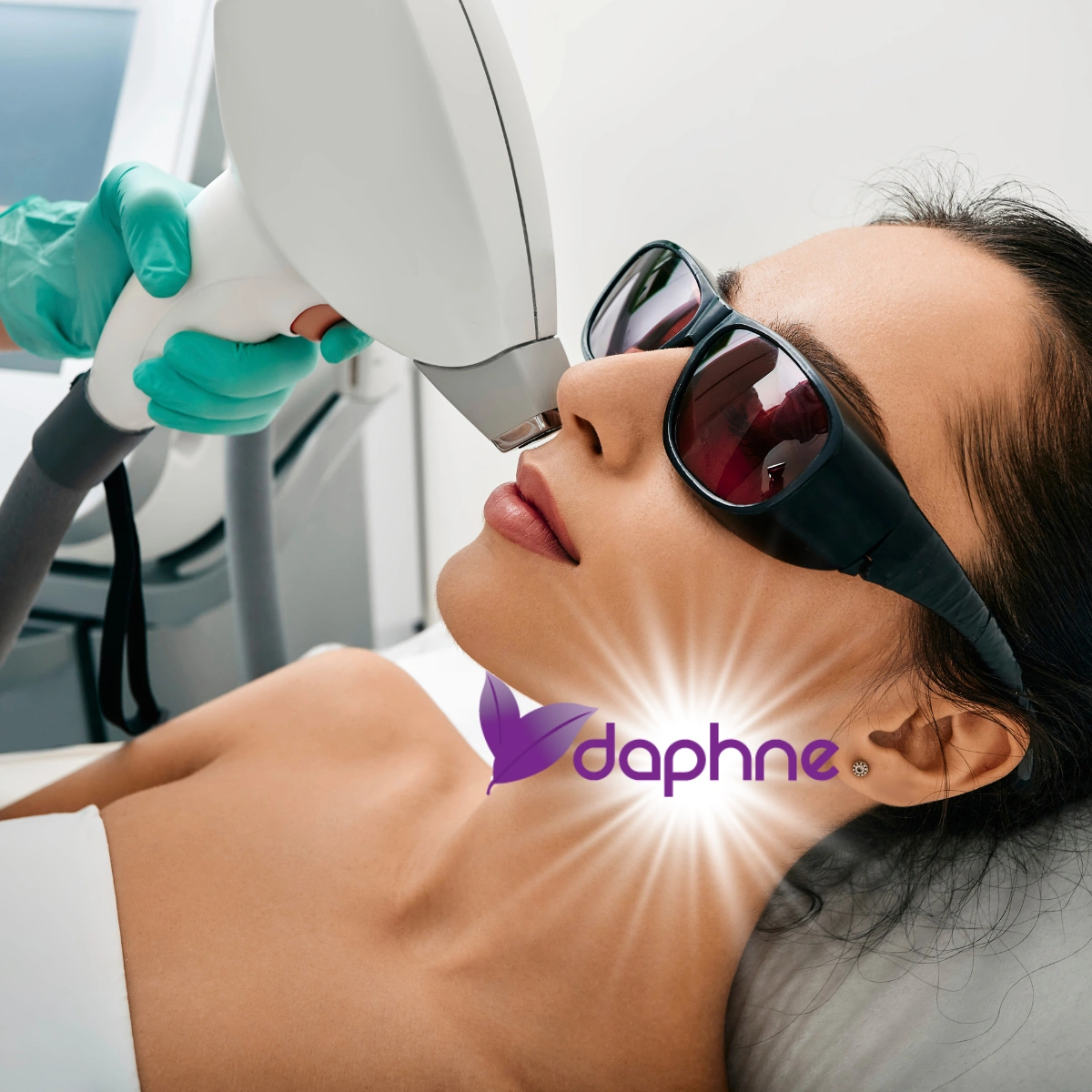
Daphne Laser Approach to Facial Hair Removal
Daphne Laser uses three laser technologies for body planning. We use Alexandrite, Diode and Nd:YAG lasers. Yet facial hair needs a separate protocol.
We do not use Alexandrite laser on the face. For face, arms and back, we evaluate Diode and Nd:YAG. We select technology by skin and hair features.
Individual Facial Hair Assessment
We assess hair color first. Then we check hair thickness. Skin tone and tanning history guide device selection.
Hair Color, Hair Thickness and Skin Tone
These factors shape the full plan. They also shape expected results. No single laser suits every face.
Diode and Nd:YAG Face Planning
Diode may suit selected facial hair. Nd:YAG may suit selected skin types. The final choice depends on assessment.
No Alexandrite on the Face
We keep this rule clear. It supports cautious facial planning. It also reduces fine-hair concerns.
Realistic Expectations
Facial laser hair removal aims at reduction. It should not promise perfect removal forever. Honest planning creates better satisfaction.
Reduction, Not Overpromising
We explain likely outcomes before treatment. We also discuss maintenance when relevant. This keeps the plan transparent.
Frequently Asked Questions About Facial Laser Hair Removal
Is laser hair removal effective on facial hair?
Yes, it can be effective on suitable facial hair. Dark, visible and coarse hair responds better. Fine or light facial hair responds less predictably.
Which facial hair responds best to laser?
Dark and thick facial hair responds best. Upper lip and chin hairs may respond well. Fine cheek hair needs more caution.
Does laser hair removal work on upper lip hair?
It can work when upper lip hair looks dark enough. Sun protection matters after treatment. Fine upper lip fuzz may respond poorly.
Does laser hair removal work on chin hair?
Chin hair can respond well when it is coarse. Hormonal influence can affect results. Some people need maintenance later.
Can laser remove fine facial hair?
Fine facial hair is a weak laser target. We often avoid treating very fine facial hair. This helps reduce poor outcomes.
Can laser hair removal make facial hair worse?
In some cases, fine facial hair can react unpredictably. The face and neck need careful selection. We avoid risky fine-hair zones.
Which laser is best for facial hair?
The best laser depends on skin and hair type. At Daphne Laser, we evaluate Diode and Nd:YAG for facial hair. We do not use Alexandrite on the face.
Is Diode laser good for facial hair?
Diode laser may suit selected facial hair. The hair must create a suitable target. We choose it after skin and hair assessment.
Is Nd:YAG laser good for facial hair?
Nd:YAG may suit selected facial cases. It can help with darker or pigment-sensitive skin. Settings and experience remain very important.
Is Alexandrite laser safe for the face?
Daphne Laser does not use Alexandrite on the face. We prefer Diode and Nd:YAG evaluation. This reflects our cautious facial protocol.
Why does Daphne Laser not use Alexandrite on the face?
Facial hair can be fine and hormone-sensitive. Alexandrite strongly targets pigment. We avoid it on the face due to stimulation concerns.
How many sessions are needed for facial hair?
Most people need several sessions. The exact number depends on hair thickness and hormones. We review progress after each session.
Does facial hair grow back after laser?
Some facial hair can grow back. Regrowth may look finer or slower. Hormonal areas can need maintenance.
Is facial laser hair removal safe for darker skin?
It can be planned with careful device selection. Nd:YAG may suit selected darker skin types. Assessment comes before treatment.
What should I avoid before facial laser hair removal?
Avoid waxing, plucking and tanning before treatment. Avoid irritating skincare before your session. Tell us about medication use.